
The Technology That Made Food Travel
A strawberry in winter, fish from another ocean, lettuce from another continent: almost all of it depends on one idea. Keep food cold, and keep it cold the whole way. This video follows how that chain of cold was built, and what it costs.
In February 1806 Frederic Tudor sent 130 tons of Boston pond ice to Martinique, and lost $4,500. In 1834 Jacob Perkins patented a machine that could make ice continuously; in 1873 and 1877 Carl von Linde built refrigerating machines for breweries. We explain the refrigeration loop that every fridge still uses.
Then meat crossed the oceans: Le Frigorifique in 1876, the Paraguay in 1877, and the sailing ship Dunedin, which left Port Chalmers on 15 February 1882 and reached London 98 days later with nearly 5,000 frozen carcasses. On land, Gustavus Swift's ice-cooled rail wagon (designed by Andrew Chase, 1878) and Frederick McKinley Jones's truck refrigeration unit (patent filed 1939, granted 1942). Clarence Birdseye, and why freezing fast keeps food good.
And the cost. The FAO estimates 13.3% of food was lost between harvest and shop in 2023, with no apparent progress since 2015. FAO and UNEP found that a lack of refrigeration loses 526 million tonnes of food a year, 12% of global production. Refrigeration uses about 20% of the world's electricity (IIR, 2025); the Montreal Protocol (1987) and Kigali Amendment (2016) changed the gases inside the machines. Finally the latest: UNEP's Global Cooling Watch 2025, the US EPA's May 2026 rule giving cold storage warehouses until 2032, and the Global Cooling Pledge meeting of September 2026.
No figure appears without its date and source.
Educational documentary. Not financial or investment advice.
In these topics
Tags
Video notes
1. A strawberry in winter
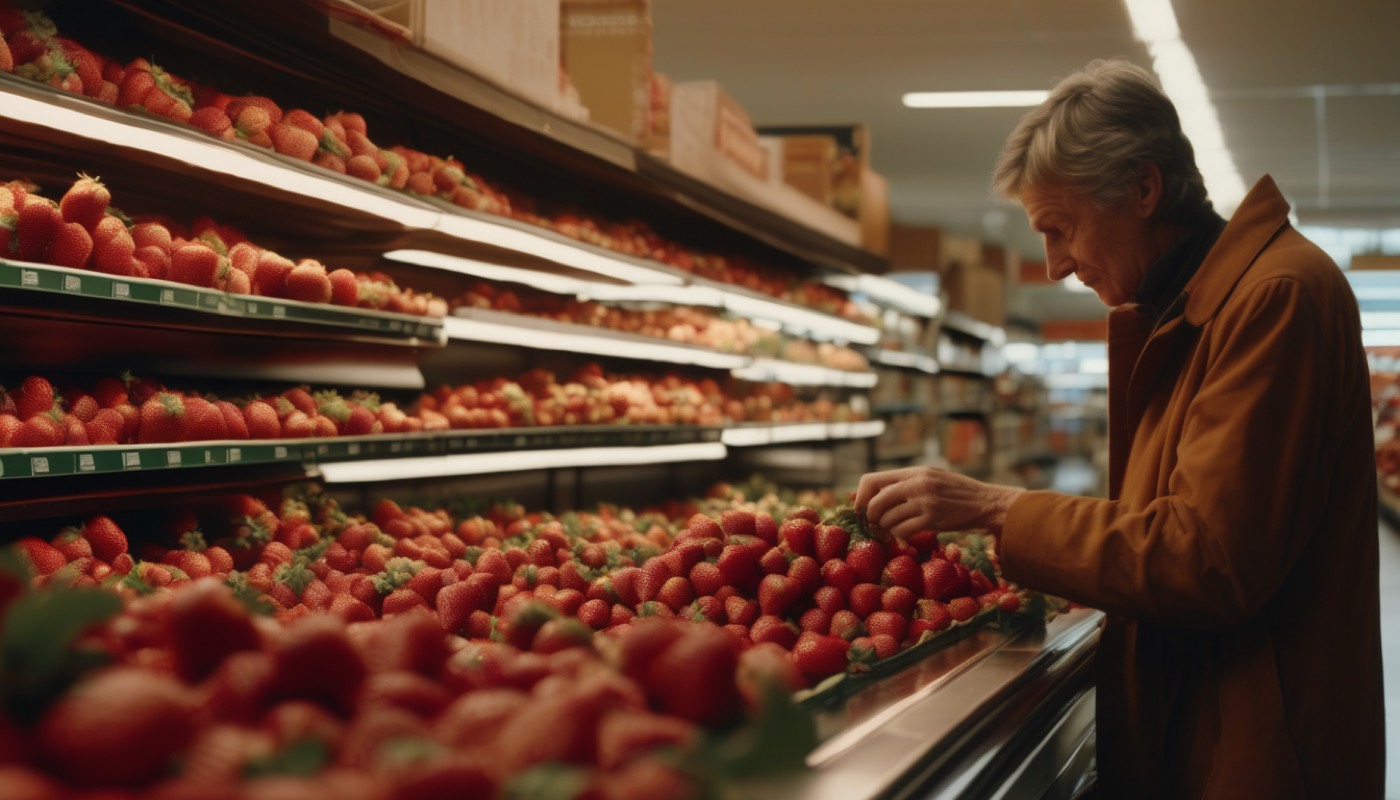
Walk into a supermarket in the middle of winter and you can buy strawberries, fresh fish and a lettuce picked a week ago on another continent. None of that is natural. Almost all of it depends on one idea: keep food cold, and keep it cold the whole way.
This video covers five things. How people moved cold before there were machines to make it. How the refrigerating machine works. How meat first crossed the world frozen. How the modern cold chain carries food from farm to fridge. And what the cold costs, in lost food and in a warming planet.
The phrase for that unbroken run of cold is the cold chain. It is a chain because a single warm link spoils everything after it.
In November twenty twenty-two, two United Nations agencies put a size on the gap. The Food and Agriculture Organization and the UN Environment Programme reported that a lack of effective refrigeration causes the loss of five hundred and twenty-six million tonnes of food a year. That is twelve per cent of all the food the world produces.
To see how the chain was built, we start with a man who tried to sell ice to the tropics.
2. Selling ice to the tropics
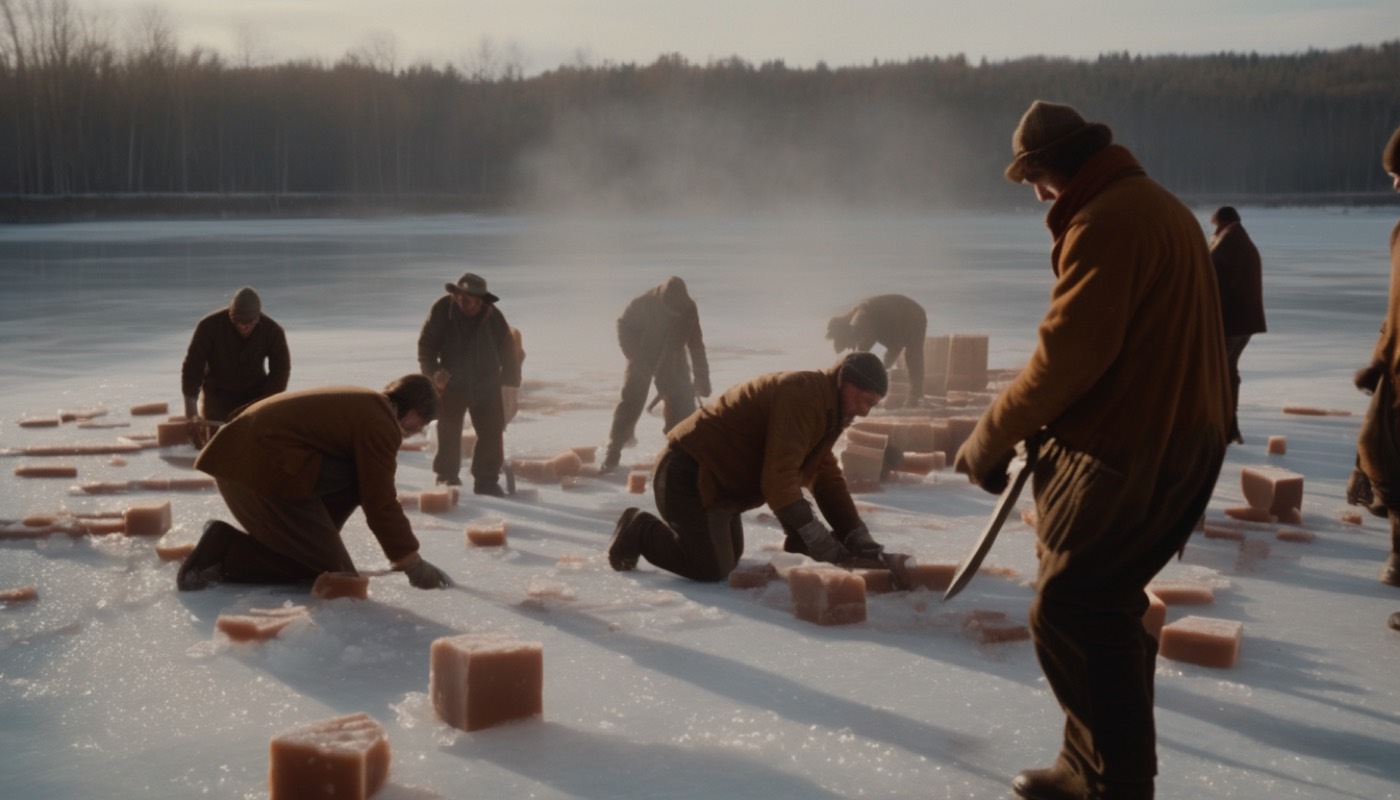
Before machines, the only cold anyone could move was natural ice. In New England, ponds froze hard every winter, and the ice was free to anyone with a saw.
A Boston merchant named Frederic Tudor thought he could sell that ice in the Caribbean. In February, eighteen oh six, his ship, the Favorite, left port for the island of Martinique. It carried a hundred and thirty tons of ice. The voyage south took about three weeks.
Much of the cargo melted on the way. The rest had nowhere to go.
There were no ice houses on Martinique, so the buyers had no place to keep what arrived. Tudor lost about four and a half thousand dollars on the venture. He kept trying.
Over the following decades, his trade grew into a business that shipped New England ice as far as India, where he built ice houses to store it. But natural ice had a limit. It could only be cut where winters were cold, and it was always melting.
3. A machine that makes cold
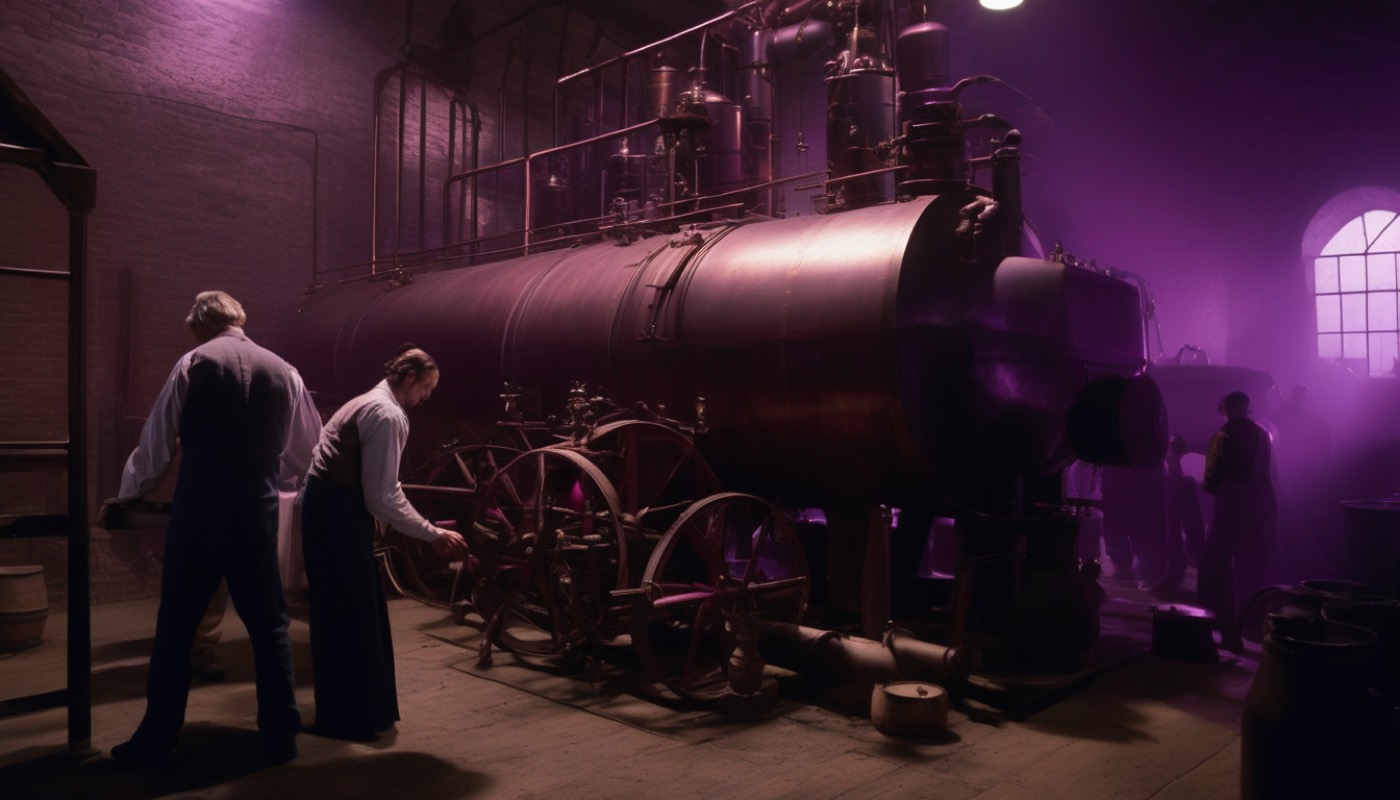
The answer was a machine that could make cold wherever it was needed. The idea behind it is simple. When a liquid turns into a gas, it soaks up heat from whatever is around it.
In eighteen thirty-four, the inventor Jacob Perkins was granted a British patent for a machine that could keep making ice without stopping. It was a working design, but it was not a commercial success. Four decades later, the engineer Carl von Linde built reliable refrigerating machines for breweries. His first, from eighteen seventy-three, used a gas called methyl ether. His ammonia machine followed in eighteen seventy-seven.
Every refrigerator since works on the same loop, and it is worth seeing once.
Inside the cold box, a liquid called a refrigerant boils into a gas and takes heat from the food. A compressor squeezes that gas, which makes it hot. Outside the box, the hot gas gives its heat away to the air and turns back into a liquid. Then it passes through a narrow valve, cools sharply, and goes back into the box to start again.
The machine does not create cold. It moves heat from inside the box to outside it. That is why the back of a fridge is warm.
4. Meat across the oceans
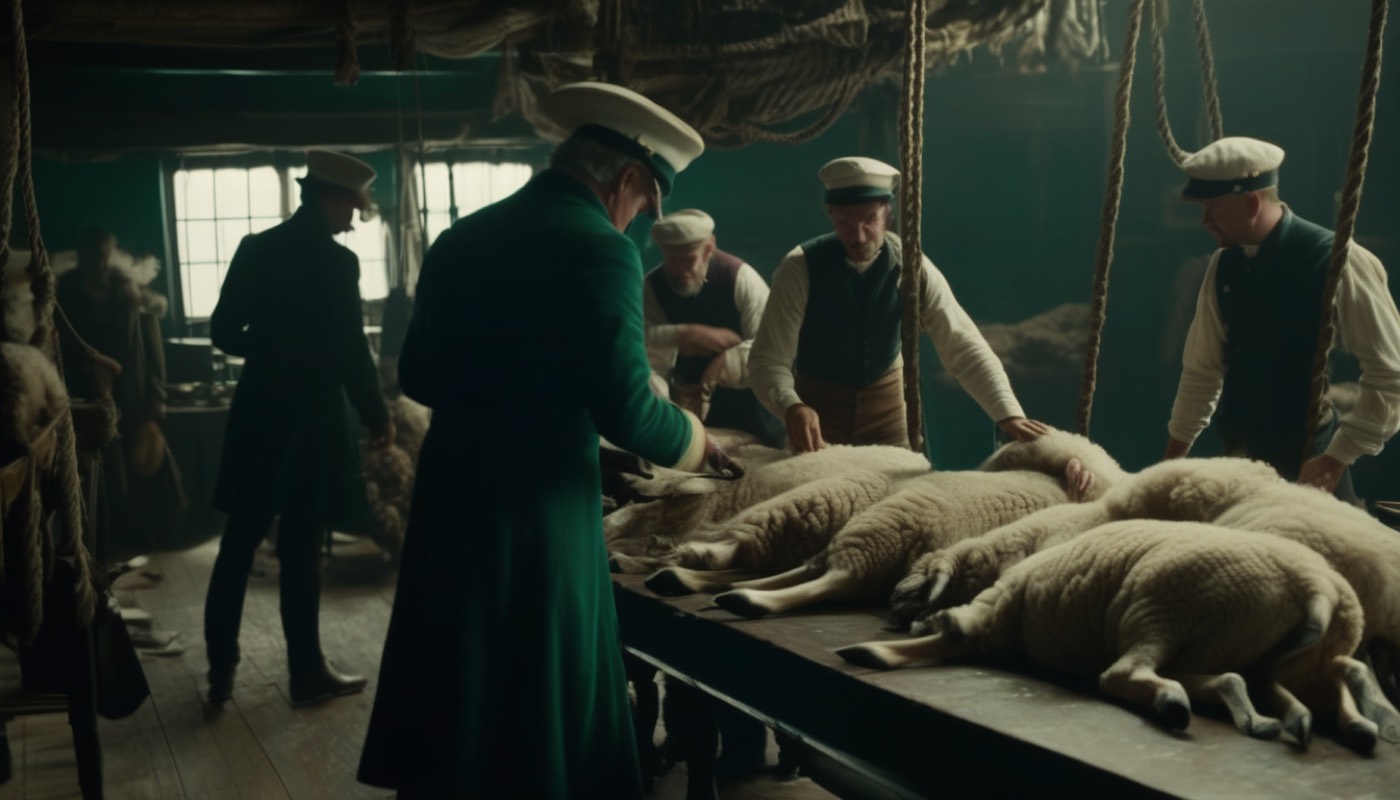
Once cold could be made at sea, the most valuable cargo to carry was meat. Countries with huge herds and few people had meat to spare, and the growing cities of Europe wanted it.
In eighteen seventy-six, the French ship Le Frigorifique carried chilled meat between Rouen and Buenos Aires. The machine on board used the same methyl ether as Linde's first. The crossing lasted a hundred and five days. In eighteen seventy-seven, a second French ship, the Paraguay, carried frozen carcasses from Argentina to France.
The voyage that changed a whole country's economy came five years later, from New Zealand.
On the fifteenth of February, eighteen eighty-two, the sailing ship Dunedin left Port Chalmers, in New Zealand, for London. Below deck, steam boilers drove a freezing machine made by the firm of Bell and Coleman. It kept her insulated meat rooms frozen. She reached London ninety-eight days later.
The meat arrived in good condition, and it sold.
The Dunedin carried nearly five thousand frozen sheep and lamb carcasses. The Paraguay had carried about five and a half thousand, five years before. It was the start of New Zealand's frozen meat trade. A farm on the far side of the world could now feed a city.
Ships had solved the long crossing. The next problem was the last few hundred miles over land.
5. Cold on wheels
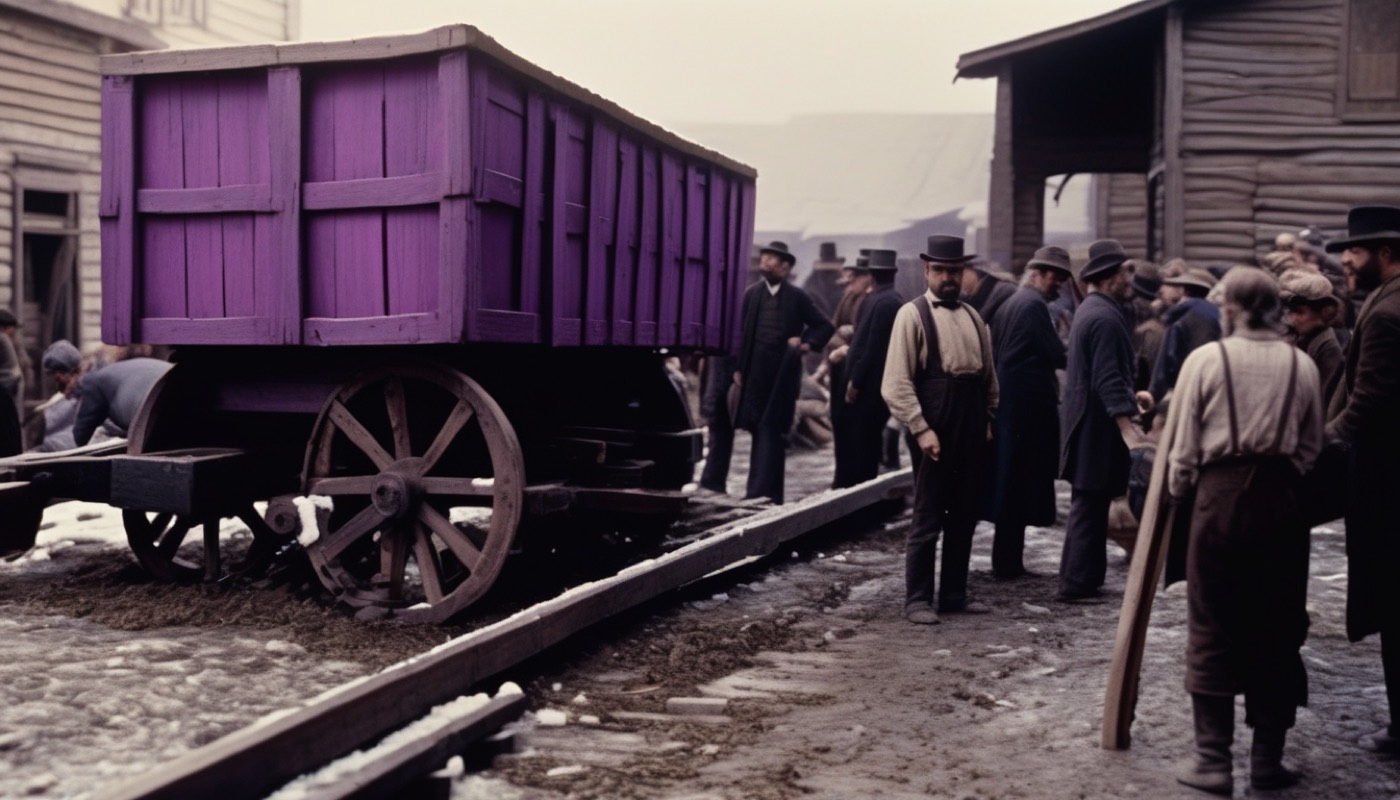
On land, meat still moved on the hoof. Live cattle were packed onto trains and taken to butchers near the cities where they would be eaten.
The meat packer Gustavus Swift wanted to send butchered beef from Chicago instead. He hired an engineer, Andrew Chase, to design a railway wagon that could keep it cold. The design put blocks of ice in a compartment at the top. Cold air sinks, so it fell over the meat, and the warmed air rose back to the ice.
Chase designed the wagon in eighteen seventy-eight, and the first of them reached Swift two years later. Trucks were harder, because a lorry has no room for tons of ice.
The inventor Frederick McKinley Jones solved that with a compact refrigerating unit that could ride on a truck, and survive the shaking of the road. He and his business partner, Joseph Numero, filed the patent in nineteen thirty-nine. It was granted in nineteen forty-two. Their company became Thermo King. In nineteen ninety-one, Jones was awarded the National Medal of Technology, the first Black American to receive it.
With refrigerated wagons, ships and trucks, a chain of cold could now run from farm to city. The food itself was the next thing to change.
6. Freezing it fast
Frozen food existed, but it was not good. Food frozen slowly came out soft and wet when it thawed, and people did not want to buy it.
Between nineteen twelve and nineteen fifteen, the naturalist Clarence Birdseye worked in Labrador. He watched Inuit fishermen pull fish through the ice into bitterly cold air. The fish froze almost at once. When they were thawed and cooked later, they still tasted fresh.
Birdseye worked out why, and the reason is ice crystals.
When food freezes slowly, the water inside it forms large ice crystals that punch through the walls of its cells. When it thaws, the liquid drips out and the texture is lost. When food freezes fast, the crystals stay small and the cells survive. Birdseye built machines that froze packed food quickly, pressed between chilled metal surfaces.
In nineteen twenty-nine he sold his business for twenty-two million dollars. On the sixth of March, nineteen thirty, the first of the new frozen foods went on sale to shoppers. The frozen food aisle had begun.
7. How the chain works today
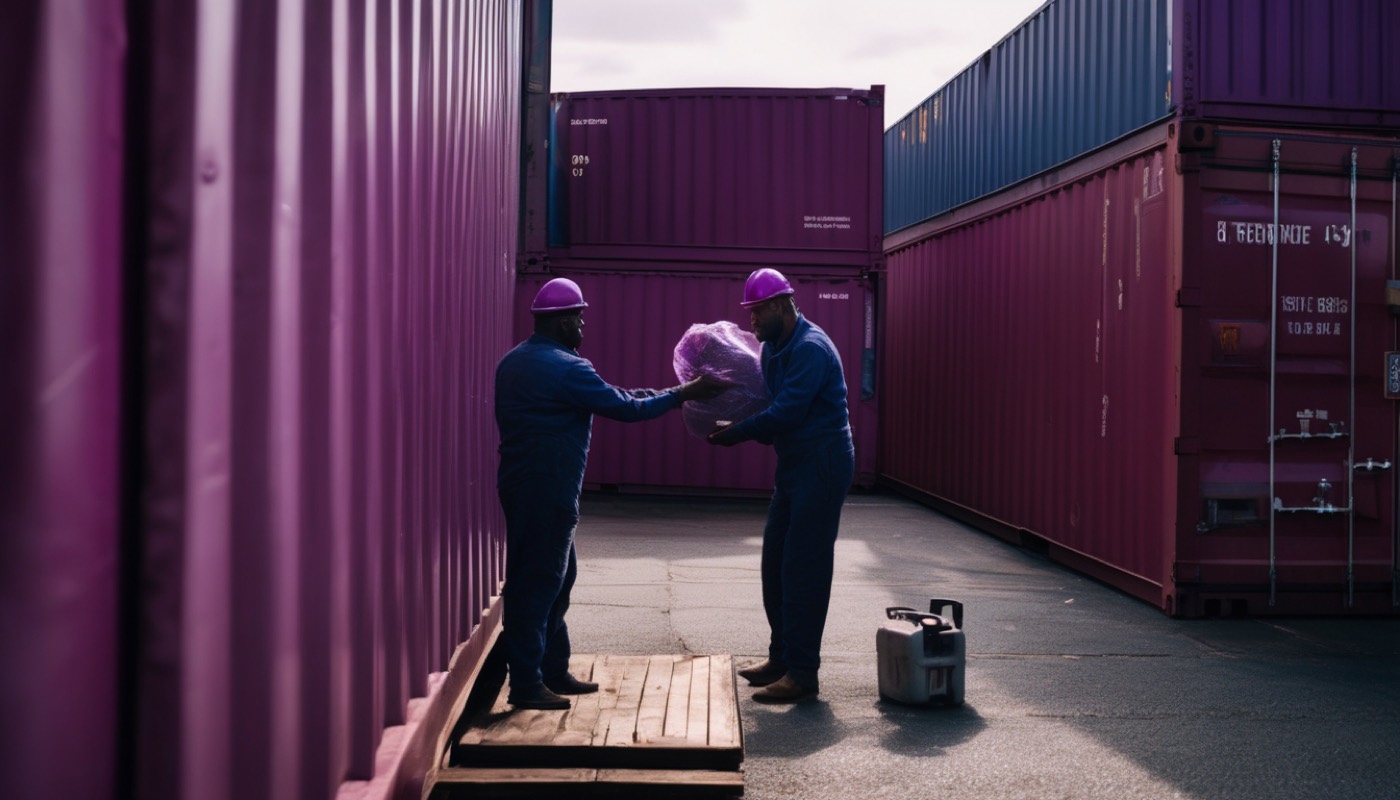
Today, the cold chain is less a machine than a system of handovers. Each one has to happen without the food warming up.
Fresh produce is cooled at the farm or pack house soon after harvest, to slow its decay. It goes into a cold store, then into a refrigerated container or truck. At a distribution centre it is sorted and sent on to shops. Then it waits in a chilled cabinet, and finally in a kitchen fridge.
A refrigerated shipping container, often called a reefer, carries its own cooling unit and plugs into power on the ship or at the port. The first generation appeared in the nineteen sixties.
The temperatures are fixed and simple. The UK's Food Standards Agency says a fridge should run between zero and five degrees. A freezer should be around minus eighteen degrees. Chilled food is kept just above freezing, and frozen food well below it, at every step.
A single warm hour on a loading dock can undo weeks of careful cold. That is why the chain is watched with temperature loggers from end to end.
8. Where the chain breaks
In the richest countries, the chain is mostly unbroken. In much of the world, it barely exists, and the food is lost before anyone can eat it.
The Food and Agriculture Organization tracks how much food is lost after harvest and before it reaches a shop. In twenty fifteen, when that monitoring began, it was thirteen per cent. In twenty twenty-three, it was thirteen point three per cent. The agency says there has been no apparent progress.
Waste in shops, restaurants and homes comes on top of that loss, and it is larger again.
The UN Environment Programme estimated that just over a billion tonnes of food was wasted in a single year. That was almost one fifth of all the food available to consumers. Its partner report on cold chains found that developing countries could save a hundred and forty-four million tonnes of food a year. They would need the same level of cold chain as developed countries.
The people who lose most are small farmers. With nowhere cold to keep a harvest, they must sell it at once, at whatever price the market offers, or watch it rot.
9. The cost of cold
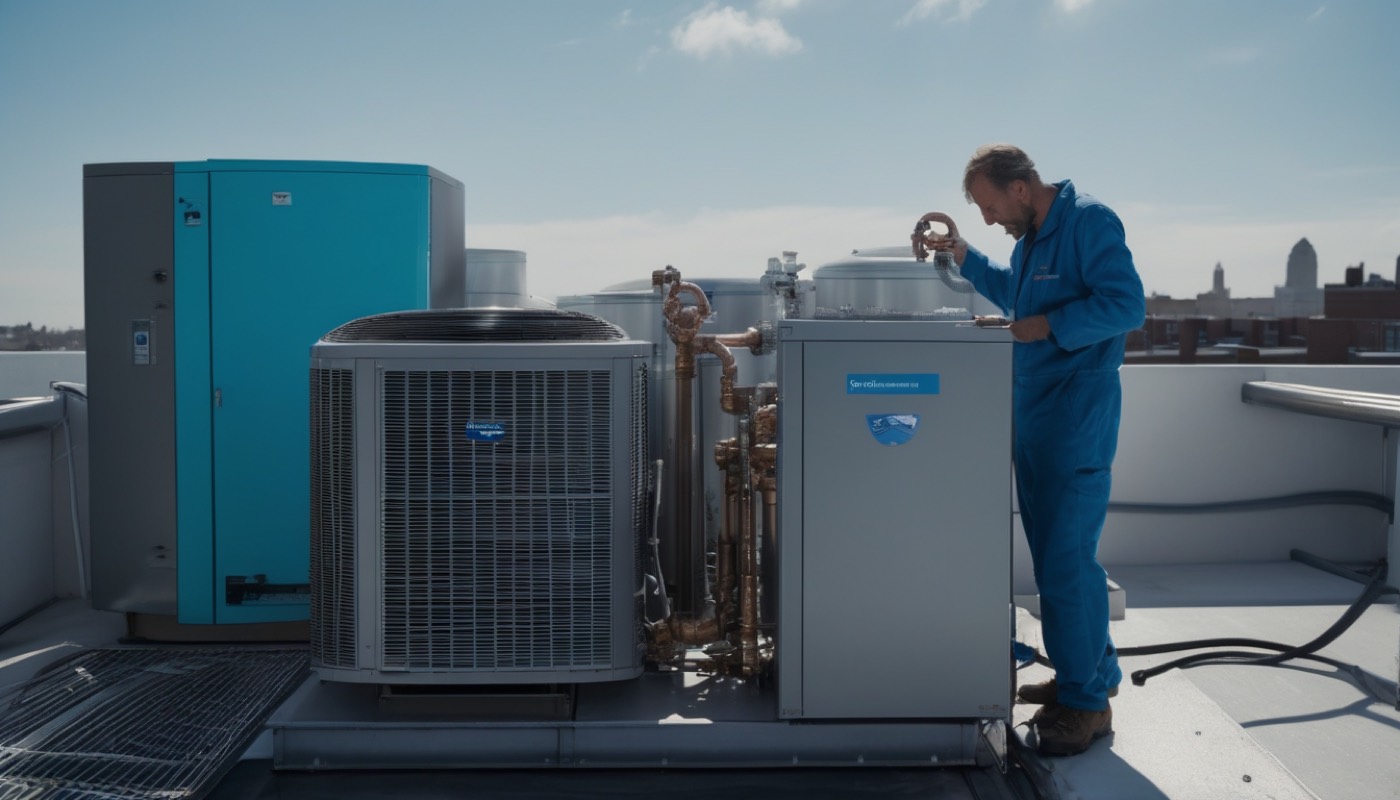
Cold is not free. Every link in the chain runs on electricity. And the refrigerant inside the pipes of a cooling unit can leak out, as a gas that warms the planet.
The International Institute of Refrigeration estimates that about five point four billion refrigerating systems are in use around the world. That count includes air conditioning. Together, refrigeration takes about a fifth of the world's electricity.
The refrigerant is the second problem. The gases chosen to be safe inside the machine turned out to be harmful outside it.
The first safe refrigerants, the chlorofluorocarbons, were found to be destroying the ozone layer. In nineteen eighty-seven, the Montreal Protocol began phasing them out. Their replacements, the hydrofluorocarbons, did not harm the ozone. But many of them trap heat far more strongly than carbon dioxide. So in twenty sixteen, the Kigali Amendment was agreed to cut them too. It came into force in twenty nineteen.
The United Nations says that cut could avoid up to four tenths of a degree of warming this century. The food cold chain alone is responsible for around four per cent of the world's greenhouse gas emissions.
10. What happens now
The chain is still growing, because the world is getting hotter and richer at the same time. That raises the demand for cold, and with it the stakes.
In November twenty twenty-five, the UN Environment Programme warned that cooling demand could more than triple by twenty fifty. Without action, emissions from cooling could reach seven point two billion tonnes of carbon dioxide equivalent. It argues that cleaner machines and cleaner power could cut most of that.
The rules are still moving, and not all in one direction.
In May twenty twenty-six, the United States Environmental Protection Agency gave cold storage warehouses more time to switch away from high-warming gases. Their deadline moved from twenty twenty-six to twenty thirty-two. Supermarket systems got the same new deadline. On the seventeenth of September, twenty twenty-six, the countries of the Global Cooling Pledge met to agree their next steps on cleaner cooling.
When the UN agencies launched their cold chain report, the head of the UN Environment Programme, Inger Andersen, put the stakes plainly.
She said that "sustainable food cold chains can make a massive difference". Her point was that one piece of infrastructure bears on hunger, farmers' incomes and the climate at once. Building it where it is missing would feed more people with food that is already grown.
The strawberry in winter looks like a small luxury. It is really the visible tip of a machine that runs day and night, all the way around the world, and that most of us never see.
Sources and credits
Primary sources
- FAO and UNEP, 'Amid food and climate crises, investing in sustainable food cold chains crucial', press release, 12 November 2022 (unep.org), for the report 'Sustainable Food Cold Chains' - 526 million tonnes / 12%; 144 million tonnes; food cold chain about 4% of global GHG; Inger Andersen's quote.
- FAO SDG Indicators Data Portal, '12.3.1 Global food losses' (fao.org), estimate for 2023 released with the FAO SDG progress report of 25 September 2025 - 13.3% in 2023, 13.0% in 2015, 'no apparent progress'.
- UNEP, 'World squanders over 1 billion meals a day', press release, 27 March 2024 (Food Waste Index Report 2024) - 1.05 billion tonnes in 2022, almost one-fifth of food available to consumers.
- National Geographic, Rebecca Rupp, 'Frederic Tudor: The King of Ice', 19 July 2014; Wikipedia, 'Frederic Tudor' - Favorite, 10 February 1806, Martinique, 130 tons, $4,500 loss, ice houses in India.
- ASME landmark, 'Perkins vapor-compression cycle for refrigeration'; Grace's Guide, 'Jacob Perkins' - British patent of 14 August 1834.
- Wikipedia, 'Carl von Linde'; ingenieur.de, 26 August 2024 - methyl ether machine for Spaten, 1873; ammonia machine at the Dreher brewery, 1877.
- Revue Sesame (INRAE), 23 May 2024; Wikipedia, 'Charles Tellier' - Le Frigorifique 1876, methyl ether, 105 days; the Paraguay 1877, 5,500 frozen carcasses.
- RNZ, 'Meat industry celebrates 140 years since first frozen shipment to the UK', 24 May 2022; Te Ara and NZ History (search excerpts) - Dunedin left Port Chalmers 15 February 1882, 98 days, 4,311 sheep and 598 lambs, Bell-Coleman machinery; Lloyd's Register Foundation Heritage Centre, 26 June 2019.
- Wikipedia, 'Gustavus Franklin Swift' - Andrew Chase, 1878; first cars 1880.
- Google Patents, US 2,303,857 (Numero and Jones), filed 16 November 1939, granted 1 December 1942; National Inventors Hall of Fame, 'Frederick McKinley Jones' - 1991 National Medal of Technology.
- Wikipedia, 'Clarence Birdseye'; Mass Moments (Mass Humanities), 'Clarence Birdseye tests frozen food' - Labrador 1912-1915, $22 million sale 1929, 6 March 1930. Penn State Extension, 'Understanding the Process of Freezing', updated 21 April 2026 - ice crystal size.
- Maersk, 'Refrigerated Containers - Reefers', 21 February 2019 - first generation reefers in the 1960s.
- Food Standards Agency, 'How to chill, freeze and defrost food safely' (gov.uk), 18 December 2017 - fridge 0 to 5 C, freezer around -18 C.
- International Institute of Refrigeration, 'The Role of Refrigeration in the Global Economy', 3rd edition, technical brief, 15 April 2025 - 5.4 billion systems, 20% of electricity.
- UNEP, 'World takes a stand against powerful greenhouse gases with implementation of Kigali Amendment', 3 January 2019 - in force 1 January 2019; up to 0.4 C avoided; UNEP Ozone Secretariat, 'The Kigali Amendment: An overview', 25 February 2026.
- UNEP, Global Cooling Watch 2025 press release, 11 November 2025 - cooling demand could more than triple by 2050; 7.2 billion tonnes CO2e by 2050 without action.
- US EPA, 'Regulatory Actions - Technology Transitions' (epa.gov), final rule published 26 May 2026; Holland & Knight, 26 May 2026 - cold storage warehouses 1 January 2026 to 1 January 2032; supermarket systems 2032.
- UNEP, 'Cool Leaders, roadmap and Nature for Cooling: Global Cooling Pledge acts', press release, 17 September 2026.
Not regulated financial advice.